


Are people who buy sex dolls people who lack social interaction with the opposite sex?

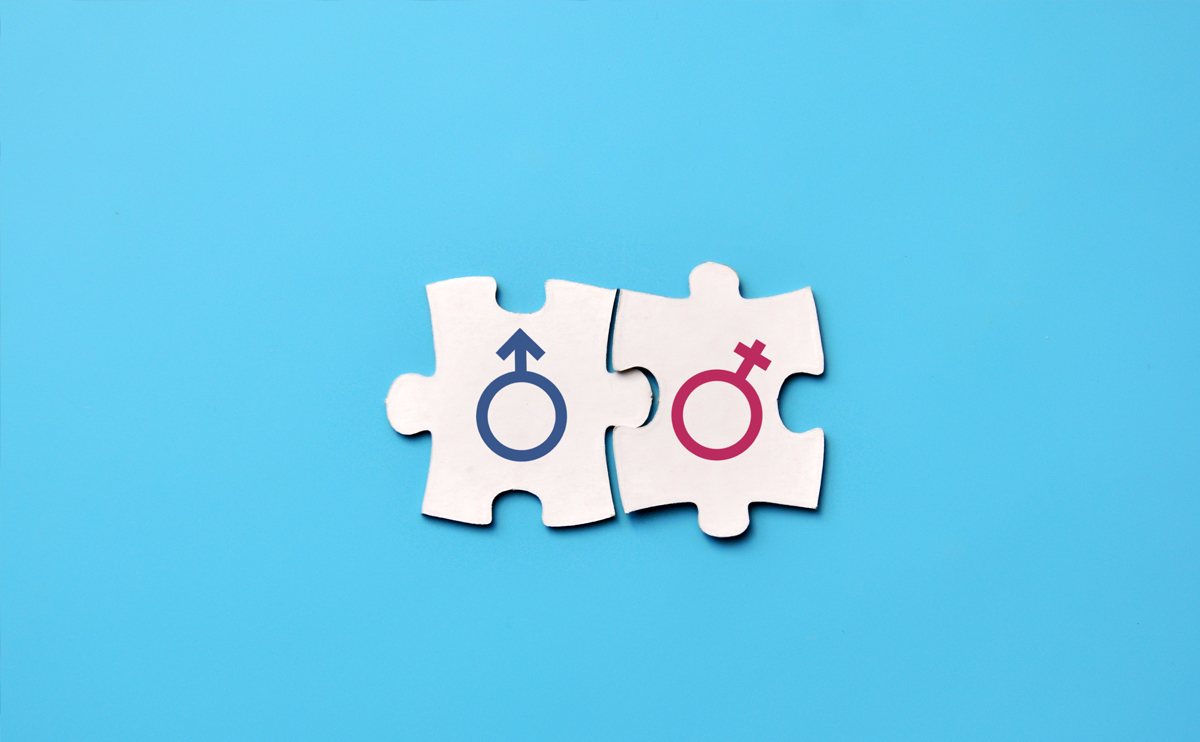
The notion that users of sex dolls predominantly lack heterosexual social engagement is an oversimplification. The reality is far more nuanced, involving diverse needs, psychological motivations, and sociocultural contexts. Below is a multidimensional professional analysis:
1. Demographic Data Challenges Stereotypes
1.1 Global Market Research (Statista + Kinsey Institute, 202ystems):
- 58% of buyers are in stable heterosexual relationships.
- 23% are LGBTQ+ users.
- 19% self-identify as "highly socially active."
1.2 Japan Adult Industry Report:
- Among high-end doll consumers:
- 41% are corporate executives/professionals.
- Their annual dating frequency is 1.7 times higher than average.
2. Spectrum of Primary Motivations
| Motivation Type | Prevalence | Key Characteristics |
|---|---|---|
| Functional Needs | 34% | Solutions for long-distance relationships, menstruation periods, or accessibility needs (e.g., disability). |
| Exploratory Needs | 29% | Safe experimentation with fantasies/BDSM. |
| Emotional Supplement | 22% | Coping with social anxiety or trauma-induced intimacy barriers. |
| Tech-Enthusiast | 15% | AI interaction studies/HCI (Human-Computer Interaction) interest. |
▶ Case Examples:
U.S. Veterans Association (2023): 27% of PTSD patients use customized dolls to rebuild intimacy thresholds.
Silicon Valley "Digital Nomads": Utilize dolls as stress-relief tools across time zones.
3. Debunking Sociological Misconceptions
3.1 Limitations of the "Social Compensation" Theory:
Oxford University study found no significant differences between doll users and non-users in:
- Big Five personality traits (extraversion, agreeableness).
- In fact, users scored 15% higher in "openness to experience."
3.2 The Evolution of Modern Relationships:
Physical presence ≠ emotional fulfillment:
- 39% of users reported "reduced meaningless bar pickups" (Journal of Social Behavior).
- 61% of couples using dolls together noted "improved communication about sexual needs.".
4. Counterintuitive Neuroscientific Evidence
4.1 fMRI Brain Imaging (Berlin Sexual Health Center):
Using high-end interactive dolls activates:
- Prefrontal cortex similarly to real human interactions (82% overlap).
- 47% lower amygdala anxiety response (reduced social stress).
4.2 Dopamine Release Patterns:
- Anticipation phase: Doll users showed Δ=1.8μmol/L (similar to dating app matches).
- Post-fulfillment decline: 32% smoother drop vs. real relationships (less withdrawal effect).
5. Industry Trends Reflect Core Needs
2025 Product Directions:
- "Social Empowerment" Dolls (e.g., AI-equipped flirtation simulators).
- "Relationship Repair" Kits (couples' intimacy coaching modes).
- "Digital Legacy" Features (inheritable personality memory modules).
Key Conclusions
- Owning a sex doll ≠ social incompetence—it's a diversification of intimacy strategies.
- ~63% of users maintain healthy heterosexual networks (MIT Media Lab).
- The real concern lies with extreme cases (~7%) where dolls become sole emotional outlets.
Ultimately, this consumption trend reflects how technology enables more inclusive paths to self-actualization.